
The Benefits of Planning Ahead

Memorial Mortuaries & Cemeteries Staff • September 30, 2026

There is a quiet kind of generosity in thinking ahead. When someone takes time to write down their wishes — the music they love, the stories they want told, the place they hope to rest — they offer their family a remarkable gift: clarity during one of life's most tender moments.

Planning ahead for end-of-life arrangements is not about dwelling on loss. It is about making sure the people you love know who you are and what matters to you, so that when the time comes, they can focus on grieving, remembering, and being with one another rather than making difficult decisions under pressure.

Why Personal Wishes Matter So Much

Every life is singular. A person might want a simple graveside gathering at sunrise, or a full celebration of life filled with laughter and their favorite songs. They might feel strongly about being buried near family, or they may wish to be cremated and have their ashes scattered somewhere meaningful. These are deeply personal choices, and the people left behind often have no way of knowing what the right answer is unless the person has said so.

When wishes are left unspoken, families sometimes face uncertainty that adds to their grief. Well-meaning relatives may disagree, or feel guilty that they cannot be sure they are honoring their loved one the way that person would have wanted. Documenting your wishes removes that burden.

Putting your wishes in writing is one of the most loving things you can do for the people who will one day miss you.

What Planning Ahead Can Include

Advance planning is broader than most people realize. It can include practical decisions, personal details, and meaningful instructions that help a family honor a life fully. Some areas to consider:

  • Type of service. Do you prefer a traditional funeral service, a graveside service, a memorial service held days later, or a private gathering? There is no single right answer — only what feels true to you.
  • Burial or cremation. Both options carry their own traditions and possibilities. Cemetery burial can provide a lasting place for family to visit and remember. Cremation offers flexibility in memorialization. Thinking through which feels right for you, and why, helps your family proceed with confidence.
  • Location and setting. Where would you like services to take place? Is there a cemetery, a place of worship, a community space, or a natural setting that holds meaning for you?
  • Personal touches. Music, readings, flowers, photographs, meaningful objects — these details transform a service from a formality into a true reflection of someone's life.
  • Who should be involved. Would you like a particular person to speak, lead a prayer, or play an instrument? Naming them now takes the guesswork away.
  • Practical and financial arrangements. Some people choose to make financial arrangements in advance so that their family does not bear that weight at a difficult time. Speaking with a trusted funeral planning professional can help you understand what options are available.

How It Helps Your Family

Grief is exhausting. In the days after a loss, even ordinary tasks can feel overwhelming. When a family already knows what their loved one wanted, they spend less energy on logistics and more on connection — calling relatives, sharing memories, and taking care of each other.

There is also something deeply comforting about knowing that the service reflects the person, not just a set of default choices. Families who have clear guidance from their loved one often describe the experience of planning the service as a meaningful act of love, rather than a stressful obligation.

Starting the Conversation

If the idea of planning ahead feels daunting, it can help to begin with the simplest question: What do I want people to remember about my life? From there, other decisions often follow naturally.

You might write notes in a journal, fill out a personal wishes document, or have a quiet conversation with a spouse, adult child, or trusted friend. You do not need to have everything figured out at once, and your wishes can always be updated as your life and your thinking evolve.

When you are ready to take a more formal step, the caring professionals at Memorial Mortuaries & Cemeteries are available to walk alongside you — without pressure and at whatever pace feels right. With more than six decades of experience serving families across Utah, they understand that every life deserves to be honored in a way that is as individual as the person who lived it.

Planning ahead is not a somber task. It is an act of love, a way of saying: I thought of you, even then.
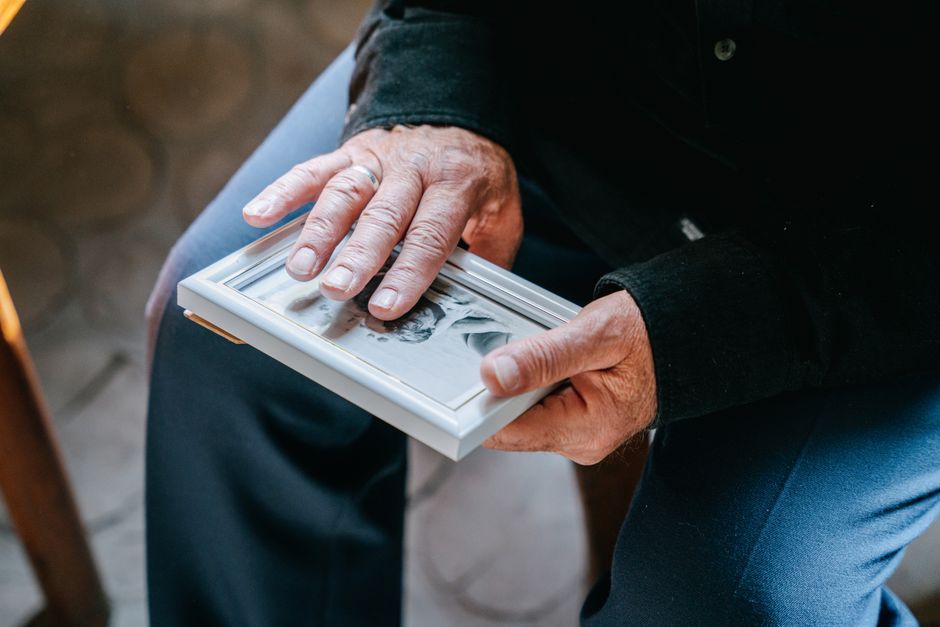

Photo by Bich Tran on Pexels.

By Memorial Mortuaries & Cemeteries Staff • September 23, 2026
Learn what to expect when planning a memorial service, from key decisions to personal touches, in plain language written for grieving families.
By Jordan Buckner • August 20, 2026
Terramation - A Gentle, Earth-Conscious Alternative
By Jordan Buckner • July 30, 2026
When a Death Occurs, You are Not Supposed to Have all the Answers
July 31, 2025
Grief and Guilt: The Weight of What-Ifs
March 27, 2025
More Than One Loss Grief is often thought of as the pain we feel after losing a loved one. But grief isn’t just about the person who died —it’s also about everything that went with them. The routines you shared, the roles you played, the future you imagined, and even the relationships that shift in the aftermath. These are known as secondary losses, and they can be just as difficult as the primary loss itself. Secondary losses are often not antcipated. You might expect to grieve your loved one, but you may not anticipate the deep loneliness that comes from losing the small daily interactions you had with them. You might feel the pain of losing not just a spouse, parent, or friend, but also the identity that came with being their partner, caregiver, or confidant. These hidden losses can make grief feel even heavier, and understanding them can help you navigate this challenging time. What Are Secondary Losses? Grief touches every part of life, which means secondary losses can take many forms. Some of the most common include: · Loss of roles: If you were a caregiver, a partner, or a child who looked to a parent for guidance, that role is now different—or gone entirely. Adjusting to life without that identity can feel disorienting and painful. · Loss of routines: Grief often disrupts the everyday patterns of life. The morning coffee you always shared, the Sunday phone calls, the daily check-ins—small but meaningful aspect of our lives. · Loss of relationships: Some friendships and family connections change after a loss. People may not know how to support you, or they may distance themselves. Others may expect you to grieve on their timeline, making it harder to maintain those relationships. · Loss of security: This could be financial, especially if the person who died contributed to household income. It could also be emotional—the feeling that you had a safe and predictable life before this loss. · Loss of future plans: Every loss changes the future. Dreams you shared, trips you planned, milestones you expected to celebrate together—these losses can hit unexpectedly, sometimes long after the initial grief has subsided. The Emotional Impact of Secondary Losses Secondary losses can feel like waves that keep coming, even when you think you’ve found solid ground. Because they are not always acknowledged by others, they can feel isolating. But just like the primary loss, they deserve space and recognition. Navigating Secondary Losses: Practical Advice · Name and validate the losses. It may help to make a list of the secondary losses you’re experiencing. Acknowledging them can bring clarity and help you acknowledge the many losses you have. · Create new routines and roles. While the old ones may never be replaced, finding small ways to establish new patterns can bring a sense of stability. This could be as simple as a new morning ritual or a different way of honoring your loved one’s memory. · Seek out supportive relationships. Some connections may change, but new ones can also emerge. Finding people who understand grief—whether through support groups, therapy, or trusted friends—can help ease the loneliness. · Give yourself permission to grieve these losses. Just because they aren’t always talked about doesn’t mean they aren’t real. Allow yourself to mourn what has changed, just as you mourn the person you lost. · Consider professional support. If secondary losses feel overwhelming or make it difficult to function, a grief counselor can help you process them and find ways to cope. Grief Is Layered, But Healing Is Possible Grief is never just about one loss. It’s about all the pieces of life that shift and change in the wake of that loss. If you find yourself grieving things beyond the person who died, know that you are not alone. Be patient with yourself as you navigate these changes, and remember that support is available when you need it.
July 17, 2024
Written by Memorial Mortuary & Cemeteries in-house Grief Counselor, Amanda Nelsen As a grief therapist, I have found that people who have, or are able to create, a support network for themselves after a death of a loved one seem to have better outcomes in their grief overall. It can be key to helping yourself through the dark days. Below are some ideas to help you start or grow your own network. 1. Grief is isolating and connection is healing. Often we isolate ourselves when we are experiencing a lot of pain from grief. Many people will find a natural support network among their friends and family. Allow yourself to open up to those closest to you, even if it feels uncomfortable and not natural at first. 2. Groups and professionals. In addition to connecting with those you know and love, it can also be helpful to connect with a support group of others who are also navigating their grief. Support groups can provide a sense of community and understanding that you may not have with those already in your life. In addition, a professional, like a therapist or social worker, may also provide a safe space for you to explore your emotions and navigate the challenges of grief. 3. Acknowledge and express your emotions. There are a LOT of emotions that come with grief. Anger, sadness, shame, guilt, joy, relief, irritation, numbness, and so much more. Allow yourself to express and process all those emotions – and when you are ready, share them with those around you. It’s hard for others to support you if they don’t know what you are going through. 4. Express your needs clearly. Communication is key when you are building your support network. Your loved ones can’t help you if they don’t know what you want from them. Of course, this can be complicated when we aren’t even sure what we need or want, but even letting others know that YOU don’t know can be helpful. 5. Have flexibility and patience - with yourself and others. As you’ve probably discovered, grieving is very individual and everyone grieves at their own pace. People in your network will all be grieving differently. Holding space for compassion and understanding for them (and yourself) will be essential. 6. Share memories and create new traditions together. You might want to ask your support system to help you create a scrapbook, or organize a memorial event, or find other rituals that hold meaning to you. Having shared experiences strengthens your connection with others who also might be grieving. 7. Find ways to GIVE support. Many times when we are grieving we find it hard to think about others, because we are so full of pain ourselves or are just focused on surviving the next day. But when we find some space to help others, we usually find some healing. It might not seem like much, but dropping off a meal or a sending a text can really uplift someone else. 8. Setting boundaries within your support system. While support and connection are vital to grief, setting healthy boundaries is also important. You might want to keep certain memorial rituals to yourself, or carve out alone time. You may need specific types of support (and not want others). And this all might change over time. Check in with yourself regularly to figure out what boundaries are healthy for you, and then communicate them clearly to those around you. 9. Acknowledge and celebrate resilience and growth. Grief is about loss, but it can also be about resilience and growth. Find ways to celebrate the small moments with your support network. Share stories of strength and survival. Make healing a collaborative process – we can find solace in the journey of remembering our loved ones. If you feel like you could use extra support with your grief, please reach out to Amanda Nelsen Amanda.Nelsen@MemorialUtah.com.
June 12, 2024
Life takes us on many adventures. None more mysterious than when we leave this world. There is sadness, for sure. And there is probably a feeling of not having accomplished enough. Some cultures believe we fly away on gossamer wings. Others that we never really leave but remain to protect or pester our loved ones. Some believe we simply become part of the earth. Many of us believe there is something waiting for us, along with a few duties and the ability to watch over those we left behind. These beliefs can sometimes intensify feelings of responsibility to our families before we go. There are the logistics that nag us: how is the funeral paid for? Who will speak? Who can I politely ask not to speak? Where will I be laid to rest? And do we really need to have bagpipes? Once these are taken care of, we can focus on the relationships we value the most. Time is the one commodity we can never seem to get enough of. Being prepared frees up our minds and hearts to make use of the time we have. There is only so much time. And whether we fly away on wings when we die or get to sit unnoticed at a grandchild’s recital, knowing your loved ones don’t have to stress out over your funeral or find a way to pay for it is the best gift you can give them, and yourself. If you’ve already pre-planned your funeral and cemetery needs, then you know exactly this feeling of peace of mind. If you haven’t pre-planned yet, please don’t hesitate to reach out to us at. We are here to help guide you and ensure that all of your needs are taken care.
By Belle Archuleta • March 13, 2024
Written by Memorial Mortuary & Cemeteries in-house Grief Counselor, Amanda Nelsen Technology and Grief Grief often changes our whole world – and the digital age has brought about a whole new dimension of grief. Mourning used to be more intimate – something that was done with a small group of family or friends and typically in person. Now our grief experience can play out on the public stage of social media, online communities, and virtual memorials. Below we will highlight a few of the unique challenges and unexpected opportunities that come with navigating grief in our tech-connected world. The Social Media Dilemma In the digital era, it's become customary to share our lives online, but when it comes to grief, the lines blur. Condolences come in the form of likes and comments, leaving us to grapple with the question: Is a virtual hug as comforting as a real one? The struggle to balance the genuine support from our online circles with the sometimes superficial nature of digital interactions is real. We can be surrounded by digital support, but still feel quite alone in our grief day-to-day. Online Communities One beneficial aspect of grieving in the digital age is the emergence of online communities that offer comfort and understanding. Whether it's a forum, a Facebook group, or a subreddit, these virtual spaces have become very popular over the past couple decades. The ability to connect with others who have walked a similar path can be a lifeline in times of isolation. They can be especially helpful when you feel you have a unique grief/situation and are having a hard time finding people around you who have been through a similar situation. The Echo Chamber of Grief While online support can be a balm for the grieving soul, the digital echo chamber can also amplify the pain. Constant reminders of loss, triggered by algorithms and shared memories, can sometimes hinder the healing process. Striking a balance between staying connected and avoiding being overloaded can be difficult. Pressure to Post These days, when we are so connected, grieving in the public eye can sometimes feel like a performance. We might feel pressure to share our grief when we aren’t ready, or to put a positive spin on our grief when we aren’t feeling that way. We also may not want to share anything about our grief at all, which can also leave others feeling like we aren’t “properly” grieving. It can sometimes feel difficult to balance vulnerability and privacy. Embracing the Pros and Cons of Digital Grief In our hyperconnected world, grief weaves itself into many digital aspects of our lives. The challenges are real, but so are the opportunities for connection and understanding. As we navigate loss in the digital age, let's remember that grief is as unique as the internet – messy, unpredictable, and ultimately, a deeply human experience. So here's to finding comfort in the virtual hugs, solace in shared stories, and navigating grief in a world that's more connected than ever. If you feel like you could use extra support with your grief, please reach out to Amanda Nelsen Amanda.Nelsen@MemorialUtah.com.
By MemorialAdmin • September 21, 2022
  Written by Memorial Mortuary & Cemeteries in-house Grief Counselor, Amanda Nelsen How can I get closure? This is a question I hear on a pretty regular basis. And I completely understand what is behind it – we want to be able to put the painful feelings of grief behind us. We want to be … Continued The post Grief Integration appeared first on Memorial Mortuaries.
By MemorialAdmin • June 30, 2022
Written by Memorial Mortuary & Cemeteries in-house Grief Counselor, Amanda Nelsen The topic of regret has been on my mind recently. I often hear clients talk about the regrets they had after a loved one died – some become quite reflective on things they could have done differently or “better” while their loved one was … Continued The post Regret appeared first on Memorial Mortuaries.