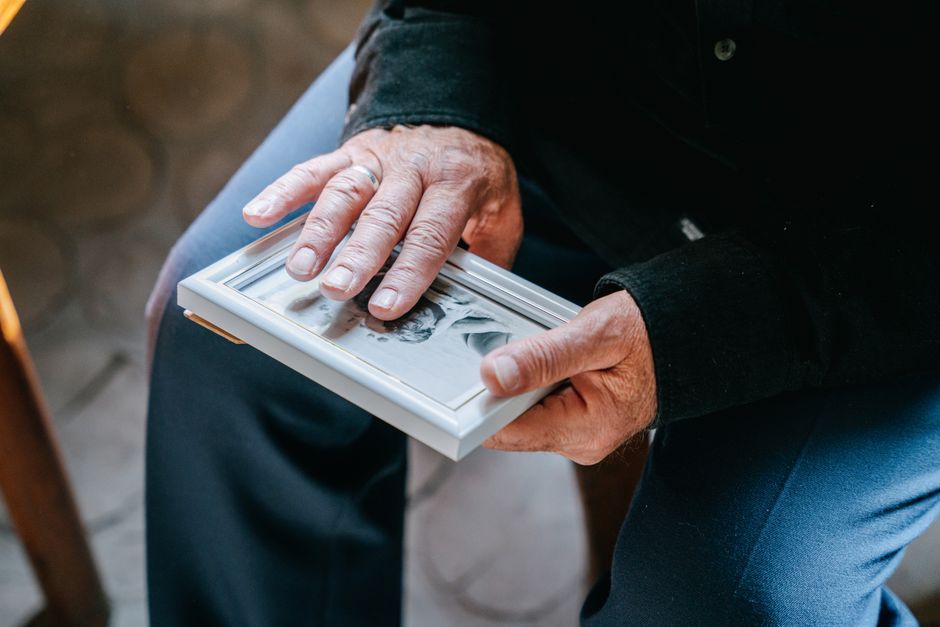
Honoring a Life Through Personalized Tributes: Ideas Beyond the Traditional Service

Memorial Mortuaries & Cemeteries Staff • October 14, 2026

When someone we love dies, the rituals we gather around are meant to do something quietly profound: they remind us, and everyone who attends, that this particular person was here. That their life had a texture, a sound, a smell, a story that belonged to no one else.

Traditional services offer a meaningful structure, and there is real comfort in familiar rites. But many families find themselves wanting something more—or something different. Something that feels, unmistakably, like them.

Over more than sixty years of walking alongside Utah families, the team at Memorial Mortuaries & Cemeteries has witnessed how deeply personal details can transform a gathering from a formality into a genuine celebration of a singular life. What follows are ideas—not requirements, not a checklist—simply possibilities to consider when the time feels right.

Start With the Person, Not the Plan

Before thinking about flowers or readings or reception food, it can help to spend a quiet moment—alone or with other family members—asking a simple question: What did this person love?

The answers that surface often become the most meaningful details of a tribute. A grandfather who spent every Saturday morning at the farmers market. A mother whose kitchen always smelled like cardamom. A young son who never went anywhere without his sketchbook. These specifics are not small. They are the whole point.

Photographs and Visual Storytelling

A photo display is one of the most accessible and moving ways to honor a life. Rather than selecting only formal portraits, consider gathering images across time—childhood snapshots, candid moments, favorite places, ordinary Tuesdays. Arranged thoughtfully, photographs invite guests to see a whole person, not just the person they knew in one chapter.

  • Timeline displays trace a life from its earliest years forward, giving younger family members a window into who this person was before they were born.
  • Memory tables combine photographs with meaningful objects: a worn fishing hat, a stack of beloved books, a handmade quilt, a sports jersey.
  • Digital slideshows set to music can run quietly in the background or serve as a focal point of the gathering.

Families at Memorial's locations across multiple communities have used all of these approaches. Staff are accustomed to helping arrange the physical space to support whatever display feels right.

Music That Actually Meant Something

Music chosen from a standard list can feel respectful but distant. Music chosen because it was theirs can stop a room.

Think about the songs that played at a wedding, the album that lived in their car for years, the hymn they sang under their breath while cooking dinner. Live music, recorded playlists, a single song played at a meaningful moment—any of these can carry the weight of memory in ways that words sometimes cannot.

There are no rules about what genre is appropriate. What matters is whether the music feels honest to the person being remembered.

Meaningful Objects and Symbols

Objects carry stories. A tribute that incorporates physical items connected to a person's passions, work, or faith can make their presence feel tangible in the room.

  • Tools from a beloved trade or hobby
  • A collection they spent a lifetime building
  • Handwritten letters or recipes in their own handwriting
  • Items that represent a place they loved—a jar of sand, a pressed wildflower, a seed packet
  • Military honors, service medals, or uniforms for those who served

These objects give guests something to gather around and talk about. They prompt stories. And stories are how a person keeps living in the people who loved them.

Inviting Others to Participate

A tribute becomes richer when it is not only observed but shared. Consider creating space for participation:

  • A memory book where guests write down a story, a word, or a favorite moment
  • An open invitation for guests to share a memory aloud, with no pressure on length or formality
  • A planting moment —seeds or a small tree that will continue to grow—particularly meaningful for burials in a cemetery setting
  • A recipe card exchange if the person was known for their cooking

You Do Not Have to Figure This Out Alone

Planning a tribute while you are grieving is genuinely hard. There is no expectation that these ideas should feel easy or obvious right now. What families often find helpful is simply talking through what they remember—the quirks, the passions, the everyday rituals—with someone who has helped other families do the same.

The most meaningful tributes we have witnessed did not come from grand gestures. They came from families who paid attention to the small, true details of a life.

At Memorial Mortuaries & Cemeteries, families across our locations have been doing exactly that for more than sixty years. Whether a service is intimate or large, traditional or entirely original, our team is here to help create the space and the structure that lets those details shine.

If you are in the early stages of thinking about how to honor someone you love, give yourself permission to move slowly. There is no single right way to do this—only the way that feels most true to the person you are remembering.

Photo by Pixabay on Pexels.

By Memorial Mortuaries & Cemeteries Staff • October 7, 2026
Wondering what to do with cremated remains? Explore your options — from burial to keepsakes — with compassionate, pressure-free guidance.
By Memorial Mortuaries & Cemeteries Staff • September 30, 2026
Learn how documenting your end-of-life wishes can ease uncertainty for your family and help them honor your unique life with clarity and love.
By Memorial Mortuaries & Cemeteries Staff • September 23, 2026
Learn what to expect when planning a memorial service, from key decisions to personal touches, in plain language written for grieving families.
By Jordan Buckner • August 20, 2026
Terramation - A Gentle, Earth-Conscious Alternative
By Jordan Buckner • July 30, 2026
When a Death Occurs, You are Not Supposed to Have all the Answers
July 31, 2025
Grief and Guilt: The Weight of What-Ifs
March 27, 2025
More Than One Loss Grief is often thought of as the pain we feel after losing a loved one. But grief isn’t just about the person who died —it’s also about everything that went with them. The routines you shared, the roles you played, the future you imagined, and even the relationships that shift in the aftermath. These are known as secondary losses, and they can be just as difficult as the primary loss itself. Secondary losses are often not antcipated. You might expect to grieve your loved one, but you may not anticipate the deep loneliness that comes from losing the small daily interactions you had with them. You might feel the pain of losing not just a spouse, parent, or friend, but also the identity that came with being their partner, caregiver, or confidant. These hidden losses can make grief feel even heavier, and understanding them can help you navigate this challenging time. What Are Secondary Losses? Grief touches every part of life, which means secondary losses can take many forms. Some of the most common include: · Loss of roles: If you were a caregiver, a partner, or a child who looked to a parent for guidance, that role is now different—or gone entirely. Adjusting to life without that identity can feel disorienting and painful. · Loss of routines: Grief often disrupts the everyday patterns of life. The morning coffee you always shared, the Sunday phone calls, the daily check-ins—small but meaningful aspect of our lives. · Loss of relationships: Some friendships and family connections change after a loss. People may not know how to support you, or they may distance themselves. Others may expect you to grieve on their timeline, making it harder to maintain those relationships. · Loss of security: This could be financial, especially if the person who died contributed to household income. It could also be emotional—the feeling that you had a safe and predictable life before this loss. · Loss of future plans: Every loss changes the future. Dreams you shared, trips you planned, milestones you expected to celebrate together—these losses can hit unexpectedly, sometimes long after the initial grief has subsided. The Emotional Impact of Secondary Losses Secondary losses can feel like waves that keep coming, even when you think you’ve found solid ground. Because they are not always acknowledged by others, they can feel isolating. But just like the primary loss, they deserve space and recognition. Navigating Secondary Losses: Practical Advice · Name and validate the losses. It may help to make a list of the secondary losses you’re experiencing. Acknowledging them can bring clarity and help you acknowledge the many losses you have. · Create new routines and roles. While the old ones may never be replaced, finding small ways to establish new patterns can bring a sense of stability. This could be as simple as a new morning ritual or a different way of honoring your loved one’s memory. · Seek out supportive relationships. Some connections may change, but new ones can also emerge. Finding people who understand grief—whether through support groups, therapy, or trusted friends—can help ease the loneliness. · Give yourself permission to grieve these losses. Just because they aren’t always talked about doesn’t mean they aren’t real. Allow yourself to mourn what has changed, just as you mourn the person you lost. · Consider professional support. If secondary losses feel overwhelming or make it difficult to function, a grief counselor can help you process them and find ways to cope. Grief Is Layered, But Healing Is Possible Grief is never just about one loss. It’s about all the pieces of life that shift and change in the wake of that loss. If you find yourself grieving things beyond the person who died, know that you are not alone. Be patient with yourself as you navigate these changes, and remember that support is available when you need it.
July 17, 2024
Written by Memorial Mortuary & Cemeteries in-house Grief Counselor, Amanda Nelsen As a grief therapist, I have found that people who have, or are able to create, a support network for themselves after a death of a loved one seem to have better outcomes in their grief overall. It can be key to helping yourself through the dark days. Below are some ideas to help you start or grow your own network. 1. Grief is isolating and connection is healing. Often we isolate ourselves when we are experiencing a lot of pain from grief. Many people will find a natural support network among their friends and family. Allow yourself to open up to those closest to you, even if it feels uncomfortable and not natural at first. 2. Groups and professionals. In addition to connecting with those you know and love, it can also be helpful to connect with a support group of others who are also navigating their grief. Support groups can provide a sense of community and understanding that you may not have with those already in your life. In addition, a professional, like a therapist or social worker, may also provide a safe space for you to explore your emotions and navigate the challenges of grief. 3. Acknowledge and express your emotions. There are a LOT of emotions that come with grief. Anger, sadness, shame, guilt, joy, relief, irritation, numbness, and so much more. Allow yourself to express and process all those emotions – and when you are ready, share them with those around you. It’s hard for others to support you if they don’t know what you are going through. 4. Express your needs clearly. Communication is key when you are building your support network. Your loved ones can’t help you if they don’t know what you want from them. Of course, this can be complicated when we aren’t even sure what we need or want, but even letting others know that YOU don’t know can be helpful. 5. Have flexibility and patience - with yourself and others. As you’ve probably discovered, grieving is very individual and everyone grieves at their own pace. People in your network will all be grieving differently. Holding space for compassion and understanding for them (and yourself) will be essential. 6. Share memories and create new traditions together. You might want to ask your support system to help you create a scrapbook, or organize a memorial event, or find other rituals that hold meaning to you. Having shared experiences strengthens your connection with others who also might be grieving. 7. Find ways to GIVE support. Many times when we are grieving we find it hard to think about others, because we are so full of pain ourselves or are just focused on surviving the next day. But when we find some space to help others, we usually find some healing. It might not seem like much, but dropping off a meal or a sending a text can really uplift someone else. 8. Setting boundaries within your support system. While support and connection are vital to grief, setting healthy boundaries is also important. You might want to keep certain memorial rituals to yourself, or carve out alone time. You may need specific types of support (and not want others). And this all might change over time. Check in with yourself regularly to figure out what boundaries are healthy for you, and then communicate them clearly to those around you. 9. Acknowledge and celebrate resilience and growth. Grief is about loss, but it can also be about resilience and growth. Find ways to celebrate the small moments with your support network. Share stories of strength and survival. Make healing a collaborative process – we can find solace in the journey of remembering our loved ones. If you feel like you could use extra support with your grief, please reach out to Amanda Nelsen Amanda.Nelsen@MemorialUtah.com.
June 12, 2024
Life takes us on many adventures. None more mysterious than when we leave this world. There is sadness, for sure. And there is probably a feeling of not having accomplished enough. Some cultures believe we fly away on gossamer wings. Others that we never really leave but remain to protect or pester our loved ones. Some believe we simply become part of the earth. Many of us believe there is something waiting for us, along with a few duties and the ability to watch over those we left behind. These beliefs can sometimes intensify feelings of responsibility to our families before we go. There are the logistics that nag us: how is the funeral paid for? Who will speak? Who can I politely ask not to speak? Where will I be laid to rest? And do we really need to have bagpipes? Once these are taken care of, we can focus on the relationships we value the most. Time is the one commodity we can never seem to get enough of. Being prepared frees up our minds and hearts to make use of the time we have. There is only so much time. And whether we fly away on wings when we die or get to sit unnoticed at a grandchild’s recital, knowing your loved ones don’t have to stress out over your funeral or find a way to pay for it is the best gift you can give them, and yourself. If you’ve already pre-planned your funeral and cemetery needs, then you know exactly this feeling of peace of mind. If you haven’t pre-planned yet, please don’t hesitate to reach out to us at. We are here to help guide you and ensure that all of your needs are taken care.
By Belle Archuleta • March 13, 2024
Written by Memorial Mortuary & Cemeteries in-house Grief Counselor, Amanda Nelsen Technology and Grief Grief often changes our whole world – and the digital age has brought about a whole new dimension of grief. Mourning used to be more intimate – something that was done with a small group of family or friends and typically in person. Now our grief experience can play out on the public stage of social media, online communities, and virtual memorials. Below we will highlight a few of the unique challenges and unexpected opportunities that come with navigating grief in our tech-connected world. The Social Media Dilemma In the digital era, it's become customary to share our lives online, but when it comes to grief, the lines blur. Condolences come in the form of likes and comments, leaving us to grapple with the question: Is a virtual hug as comforting as a real one? The struggle to balance the genuine support from our online circles with the sometimes superficial nature of digital interactions is real. We can be surrounded by digital support, but still feel quite alone in our grief day-to-day. Online Communities One beneficial aspect of grieving in the digital age is the emergence of online communities that offer comfort and understanding. Whether it's a forum, a Facebook group, or a subreddit, these virtual spaces have become very popular over the past couple decades. The ability to connect with others who have walked a similar path can be a lifeline in times of isolation. They can be especially helpful when you feel you have a unique grief/situation and are having a hard time finding people around you who have been through a similar situation. The Echo Chamber of Grief While online support can be a balm for the grieving soul, the digital echo chamber can also amplify the pain. Constant reminders of loss, triggered by algorithms and shared memories, can sometimes hinder the healing process. Striking a balance between staying connected and avoiding being overloaded can be difficult. Pressure to Post These days, when we are so connected, grieving in the public eye can sometimes feel like a performance. We might feel pressure to share our grief when we aren’t ready, or to put a positive spin on our grief when we aren’t feeling that way. We also may not want to share anything about our grief at all, which can also leave others feeling like we aren’t “properly” grieving. It can sometimes feel difficult to balance vulnerability and privacy. Embracing the Pros and Cons of Digital Grief In our hyperconnected world, grief weaves itself into many digital aspects of our lives. The challenges are real, but so are the opportunities for connection and understanding. As we navigate loss in the digital age, let's remember that grief is as unique as the internet – messy, unpredictable, and ultimately, a deeply human experience. So here's to finding comfort in the virtual hugs, solace in shared stories, and navigating grief in a world that's more connected than ever. If you feel like you could use extra support with your grief, please reach out to Amanda Nelsen Amanda.Nelsen@MemorialUtah.com.