Understanding Burial Options: A Plain-Language Guide to Choices Families Face
When a family begins thinking about final arrangements—whether for a loved one who has just passed or as part of thoughtful advance planning—one of the first questions that often arises is simply: What are our choices? The range of burial options can feel unfamiliar, and it can be hard to know where to start. This guide is meant to walk you through the most common options in plain language, with no pressure and no expectation that you have already decided anything.
Ground Burial
Ground burial is the option most people picture first. A loved one is placed in a casket—or, in some traditions, a shroud—and interred in a designated plot within a cemetery. The grave site then becomes a lasting place where family and friends can come to remember, place flowers, or simply sit quietly.
Within ground burial, families often encounter a few related decisions:
- Burial plots: A specific section of earth reserved for one or more individuals. Many families choose to purchase adjoining plots so that loved ones can rest near one another over time.
- Grave markers and monuments: Headstones, flat markers, and upright monuments each carry their own character. Cemeteries typically have guidelines about what is permitted in each section, so it is worth asking about those details early.
- Outer burial containers: Many cemeteries require a vault or grave liner that surrounds the casket. A knowledgeable cemetery staff member can explain what is customary in any given section.
Mausoleum Entombment
A mausoleum is an above-ground structure that holds one or more individuals in compartments called crypts. Some families are drawn to mausoleums because they offer a sheltered, climate-controlled environment for visiting, regardless of the weather. Others find meaning in the architectural permanence of a mausoleum, or in the option to be placed alongside family members in a shared space.
Mausoleums come in several forms:
- Community or public mausoleums: Large structures located within a cemetery that offer crypts to many families. These are often the most accessible option and may include chapels or interior garden spaces.
- Private family mausoleums: Smaller structures built for a single family. These require more planning and coordination and are typically arranged well in advance.
- Garden mausoleums: Open-air or semi-open structures that blend the feel of outdoor memorial gardens with the shelter of above-ground entombment.
Cremation and Cremation Interment
Cremation has become an increasingly common choice for many families. It is worth knowing that choosing cremation does not mean forgoing a meaningful, permanent place of remembrance. Families who choose cremation still have a range of interment options available to them.
- In-ground cremation burial: Cremated remains, often placed in an urn, can be interred in a cremation garden, a dedicated cremation section of a cemetery, or even within a traditional burial plot. This creates a permanent location to visit and remember.
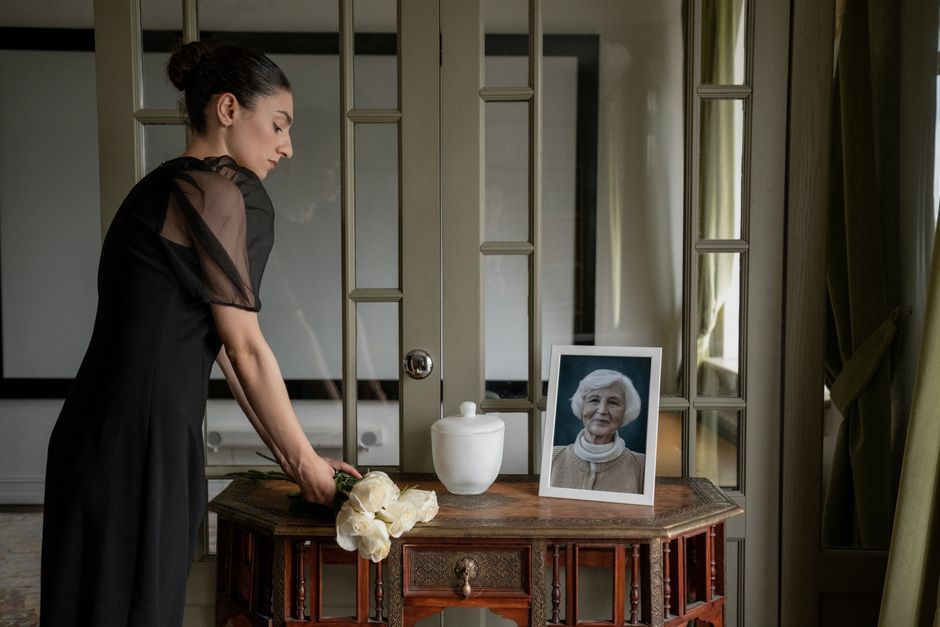
- Columbarium niches: A columbarium is a wall or freestanding structure with small compartments—called niches—designed to hold urns. Many cemeteries offer columbarium niches as an alternative to ground burial for cremated remains. Families may choose a single niche or a companion niche that accommodates two urns.
- Scattering gardens: Some cemeteries maintain designated areas where families may scatter cremated remains in a natural setting. These spaces offer a place to return to without the need for an individual marker.
Green Burial
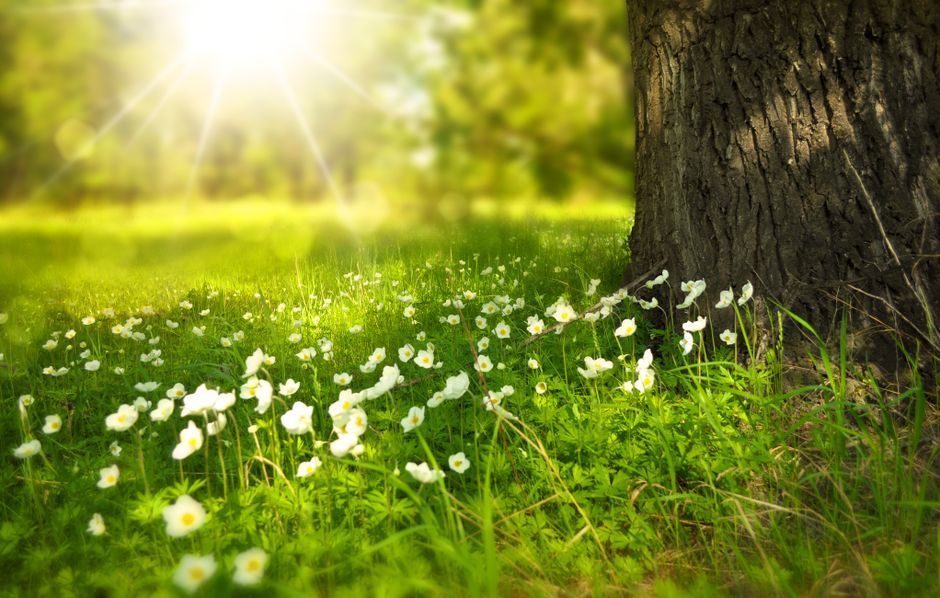
Green burial—sometimes called natural burial—is an option that has grown in availability and in interest as more families seek arrangements that feel connected to the natural world. In a green burial, the body is prepared and interred without embalming chemicals and without a traditional metal casket or concrete vault. Instead, biodegradable materials such as a simple wooden casket, a wicker basket, or a natural shroud are used, allowing the body to return to the earth as naturally as possible. Many green burial grounds are designed to look and feel like native meadow or woodland landscapes, with minimal disturbance to the land.
For families drawn to environmental stewardship, or to traditions that emphasize simplicity and a return to nature, green burial can feel like a deeply meaningful fit. Memorial Mortuaries & Cemeteries is proud to be the only cemetery provider in Utah to offer dedicated green burial gardens. Those gardens are located at our Lakeview Cemetery in Bountiful, Utah and our Holladay Cemetery in Holladay, Utah—two distinct spaces where families can find a peaceful, natural setting for a green burial. Our funeral directors welcome questions from families who are curious about whether this path might be right for them.
Terramation and the Scattering of Natural Organic Remains
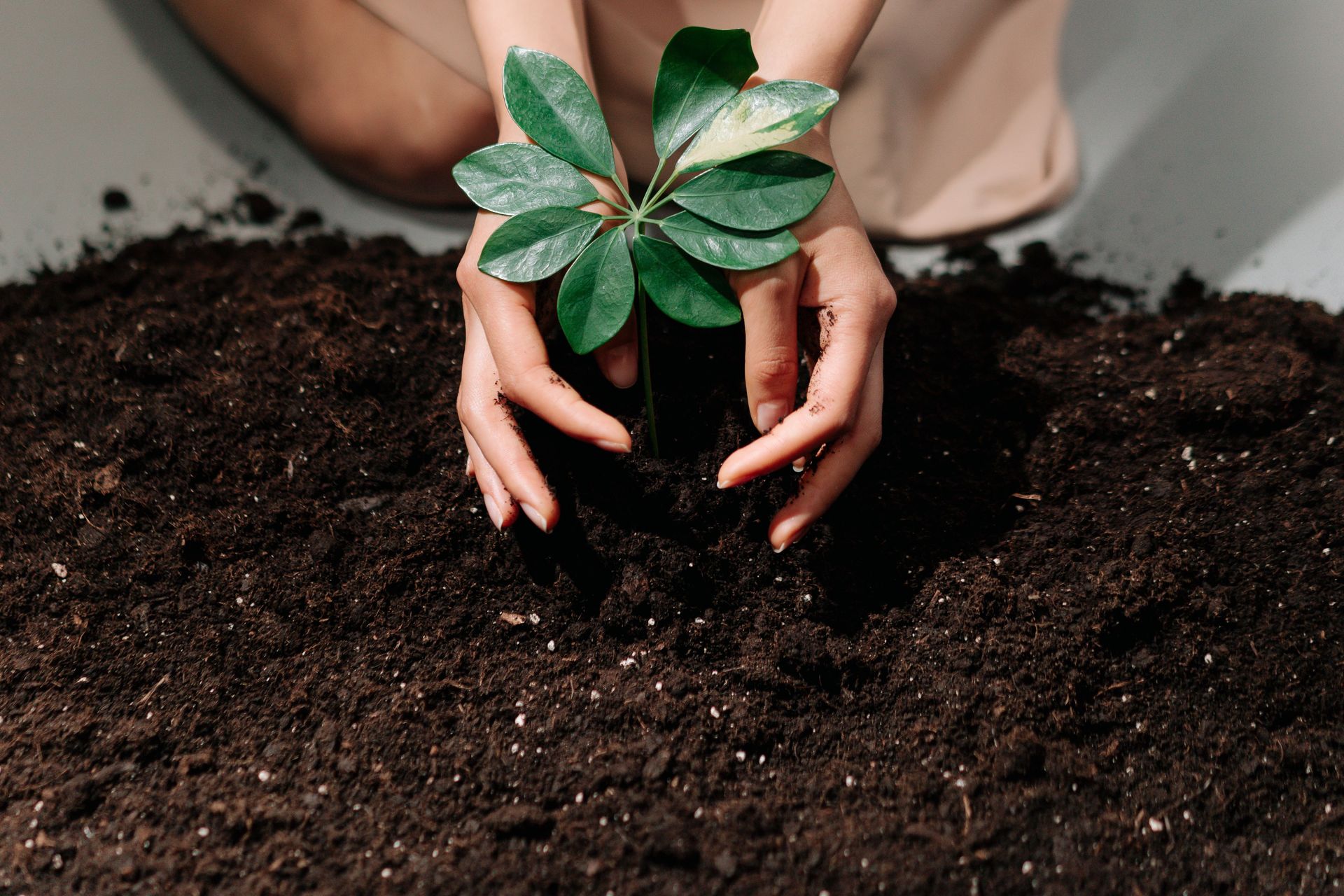
Terramation—also known as natural organic reduction—is a newer option that some families are beginning to ask about. In this process, the body is gently transformed into nutrient-rich soil over a period of weeks through a carefully managed natural process. The resulting material is sometimes called soil or earth , and families receive it much as they might receive cremated remains after cremation.
Families who choose terramation may decide to use the resulting soil in a home garden, donate it to a land conservation project, or scatter it in a meaningful natural setting. Some cemeteries also offer designated scattering areas where terramated remains can be placed, providing a specific location to return to for remembrance. Because terramation is a relatively new option, availability varies and the process may not be offered everywhere. If this is something your family is curious about, speaking with one of Memorial's knowledgeable funeral professionals is a good place to begin exploring whether and how it can be arranged.
Thinking About What Matters Most
There is no single right answer when it comes to burial choices. Families are shaped by their faith traditions, cultural backgrounds, personal values, and practical circumstances—and all of those factors matter. Some families place great importance on a place their descendants can visit for generations. Others are drawn to simplicity, or to an option that feels closer to the natural world. Many families find that the process of talking through these options together brings a kind of clarity and even comfort.
You do not need to have everything figured out before you ask a question. A conversation is a perfectly reasonable place to begin.
Working with a provider that offers both funeral home and cemetery services can make these conversations easier, because the same team can speak to the full range of choices without handoffs or gaps. At Memorial Mortuaries & Cemeteries, our staff have accompanied families through all of these decisions for more than sixty years. We understand that this is not a transaction—it is one of the most personal decisions a family will make—and we approach every conversation with that in mind.
If you are in the early stages of thinking about these options, or if you are helping a loved one think through their wishes, we encourage you to take your time and ask whatever questions come to mind. There is no obligation in a conversation, and there is no question too basic to deserve a thoughtful answer.
Photo by RDNE Stock project on Pexels.