Gathering to Remember: How Families Are Reimagining the Traditional Funeral Reception
When a loved one dies, the people who cared for them need a place to come together. That need is as old as grief itself. But what that gathering looks like — where it happens, how long it lasts, what fills the room — is something families are shaping in increasingly personal ways.
At Memorial Mortuaries & Cemeteries, we have had the privilege of walking alongside Utah families for generations. Across our locations, we see a quiet but meaningful shift: more families are moving away from a one-size-fits-all reception and toward gatherings that genuinely reflect the person they are honoring. This article is a gentle introduction to some of those possibilities, offered without pressure, so you can think through what might feel right for your family.
What Is a Funeral Reception?
A funeral reception — sometimes called a gathering, a repast, or a celebration of life — is simply time set aside after a service for family and friends to be together. It may follow a graveside service, a chapel ceremony, or even take place on its own as the primary event. There is no single correct format. The reception is, at its heart, an opportunity for community: to share memories, offer comfort, and mark a life that mattered.
The Range of Settings
One of the first decisions families face is where the gathering will take place. Each setting carries its own character, and the right choice often depends on the size of the expected group, the personality of the person being remembered, and what feels most comfortable to the family.
- Chapel or mortuary gathering rooms. Many families find comfort in staying close to the ceremony space. Mortuary gathering rooms are designed for intimacy — quieter, contained, and supported by staff who understand what the day requires. These spaces work especially well for smaller, close-knit groups.
- Cemetery settings. For families who want the gathering to feel connected to the resting place, some cemeteries offer spaces where guests can linger after a committal service. There is something quietly meaningful about spending unhurried time near where a loved one will rest.
- Community or family spaces. Receptions at a family home, a favorite restaurant, a park, or a community hall can feel deeply personal. These locations often work well when the person being honored had a strong connection to a particular place or community.
Personal Touches That Carry Meaning
Beyond the setting, families are finding thoughtful ways to weave a loved one's story into every part of the reception. None of these ideas are required — they are simply options worth knowing about.
Memory Displays and Photo Tributes
A simple table with photographs, a memory book for guests to sign, or a display of items connected to the person's life — a fishing lure, a favorite recipe card, a well-worn book — can invite guests into the story of who this person was. These small details often spark the best conversations.
Food and Gathering Rituals
Food has always been a language of care. Serving a loved one's favorite meal, a dish tied to their cultural heritage, or a dessert they were known for can make a reception feel genuinely theirs. Some families ask guests to bring a dish and a memory — a simple way to share the labor and deepen the sense of community.
Music
A playlist of songs the person loved, live music from a family member, or even a moment of silence can set a tone that words cannot. Music does not need to be formal or professionally arranged to be meaningful.
Meaningful Activities
Some families invite guests to write down a memory, plant a seed, or take home a small item that belonged to the person. Others simply leave space — comfortable seating, no agenda, no clock — so that conversation can unfold naturally. The absence of a rigid program is itself a kind of hospitality.
Honoring Every Kind of Life
There is no right way to remember someone. There is only the way that feels true to who they were and what they meant to the people who loved them.
A reception for a quiet, private person might be twenty people in a small room, sharing tea and stories. A reception for someone who filled every room they entered might be an open, expansive celebration with music and laughter alongside the tears. Both are complete. Both are right.
If you are in the early stages of thinking about arrangements — whether for yourself in advance or for someone you love — speaking with an experienced funeral professional can help you understand the options available at the specific locations and times you are considering. There is no obligation in asking questions, and there is no detail too small to matter.
Grief does not follow a schedule, and neither does the planning that surrounds it. Take the time you need. We are here when you are ready.
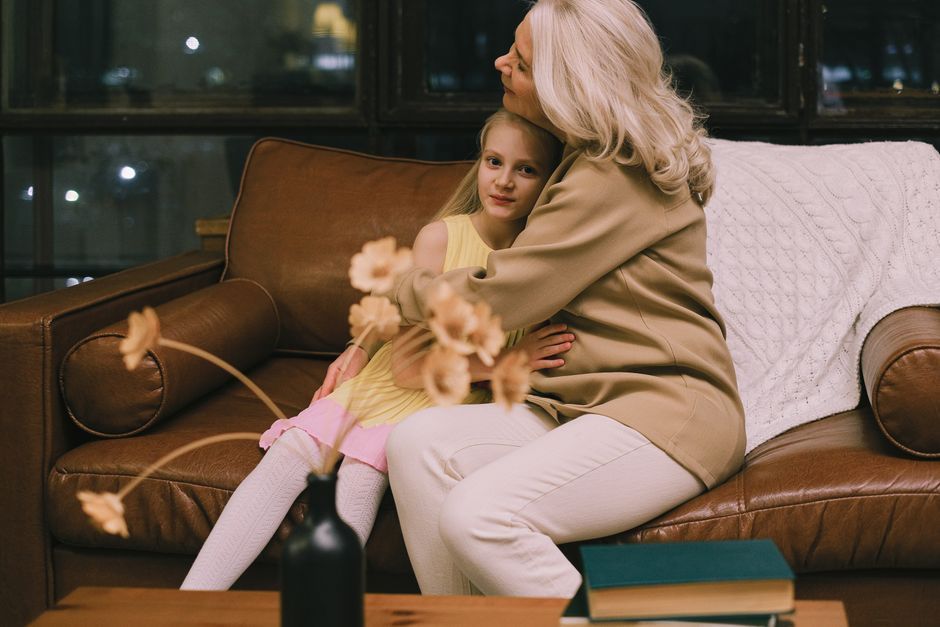
Photo by Thomas Benedetti on Pexels.